
Introduction
Dilated Cardiomyopathy (DCM) is a pathology in which the primary pump chamber of the heart, the left ventricle, is enlarged, stretched, and weak. This dilation of the heart renders it unable to pump blood effectively to the other body parts. DCM is capable of impacting other heart chambers and could cause complications such as heart failure, irregular heart rhythm, valve issues, or blood clots. DCM has many causes, which are divided into genetic, viral infection, alcohol or drug toxicity, some medical conditions, and sometimes unknown causes. DCM is treated with an aim at symptom management and prevention of heart functional deterioration. Beta-blockers, ACE inhibitors, and diuretics are commonly used. In more serious situations, the implantable pacemaker or defibrillator devices can be prescribed as the means of heart rhythm control. The cases may include cardiac resynchronization therapy or a heart transplant in advanced cases. Dietary interventions and exercise are also part of the lifestyle changes that are very important in management.
Cost comparison
The cost of dilated cardiomyopathy treatment varies widely anywhere in the world, depending on the hospital, the type of treatment, the patient’s overall health condition, post-operative complications, and care etc. The average cost of dilated cardiomyopathy in India is USD $10000.
But be assured as the cost of Dilated Cardiomyopathy in India is just a fraction of developed nations.
- Avg Cost of treatment - $10000
- Maximum cost of treatment - $30000
Factors affecting Cost of treatment
- Condition Nightmares: The cost of treatment is greater as the disease advances, particularly when the complex stages of the disease have to be addressed over the long term or when a heart transplant is necessary.
- Type of Treatment: The expense is different in accordance with the necessity of medications, implantable devices (pacemakers, defibrillators), surgeries, or even transplantation.
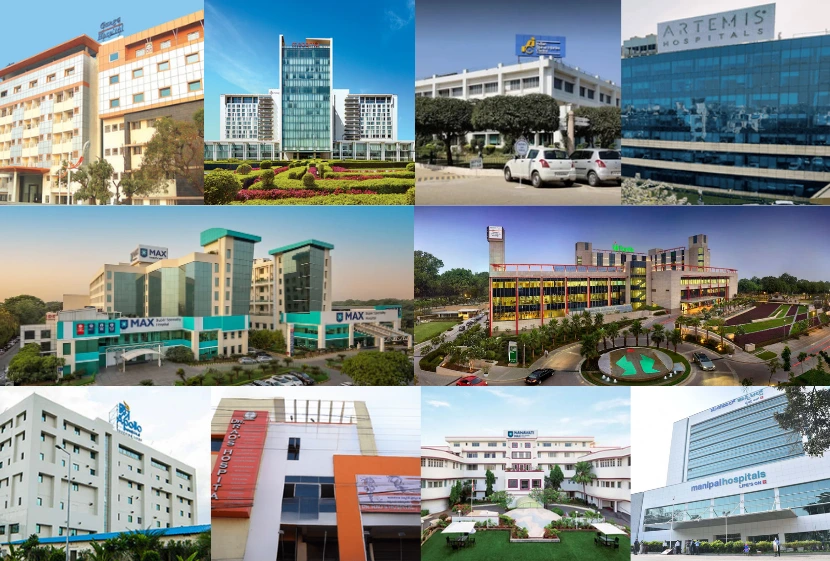
- Hospital Choice: The option of special cardiac centers or the best hospitals is usually more costly but of better quality.
- Follow-Up Care: The Continuous check-ups, such as regular imaging, changing of medications, and visits to a specialist, are added to the cumulative cost of treatment.
- Insurance Coverage: Full insurance will help minimize the out-of-pocket expenses; partial insurance will add to financial strain.
- Related Therapies: Therapies for complications or secondary conditions, like chemotherapy in cardiotoxic cases, are extra expenses.
- Geographic Location: There are varied costs according to the city or region, with the city centers incurring a higher rate of treatment.
Treatment options
- Drugs: To control symptoms, improve heart work, and avoid complications, the following medications are used: beta-blockers, ACE inhibitors, angiotensin receptor blockers (ARBs), diuretics, and anticoagulants.
- Lifestyle Interventions: Dietary, physical, weight, and alcohol, or toxin avoidance are lifestyle changes that can be used to reduce the disease progression and enhance the quality of life.
- Implantable Devices: Biventricular pacemakers (cardiac resynchronization therapy) are devices used to enhance the efficiency of pumping the heart, and implantable cardioverter defibrillators (ICDs) are used to avoid sudden cardiac death caused by arrhythmias.
- Ventricular Assist Devices (VADs): The devices resemble mechanical pumps, and they are used to aid the heart in case of severe cases until a heart transplantation or the devices are used permanently.
- Surgical procedure: Heart transplantation is a treatment mode in end-stage DCM where alternative treatment methods have failed.
- Monitoring: Echocardiograms, blood tests, and imaging of the disease should be done regularly to monitor its evolution and modify treatment.
- Patient Education and Rehabilitation: Cardiac rehabilitation programs and medication compliance, and lifestyle education are important in the improvement of outcomes and the decrease of hospitalization.
How Medotil Global Assists International Patients
Medical Visa Assistance
- Guides patients through the process of obtaining a medical visa for India.
- Provides necessary documentation support, such as invitation letters from hospitals.
Accommodation Arrangements
- Helps secure comfortable and affordable lodging near treatment centers.
- Offers a range of options, including guest houses, hotels, or serviced apartments.
Food Services
- Assists in arranging dietary preferences, including international cuisines and special diets for medical needs.
Transportation Support
- Provides airport pickup and drop-off services.
- Offers reliable transportation for hospital visits and local travel.
Hospital and Doctor Selection
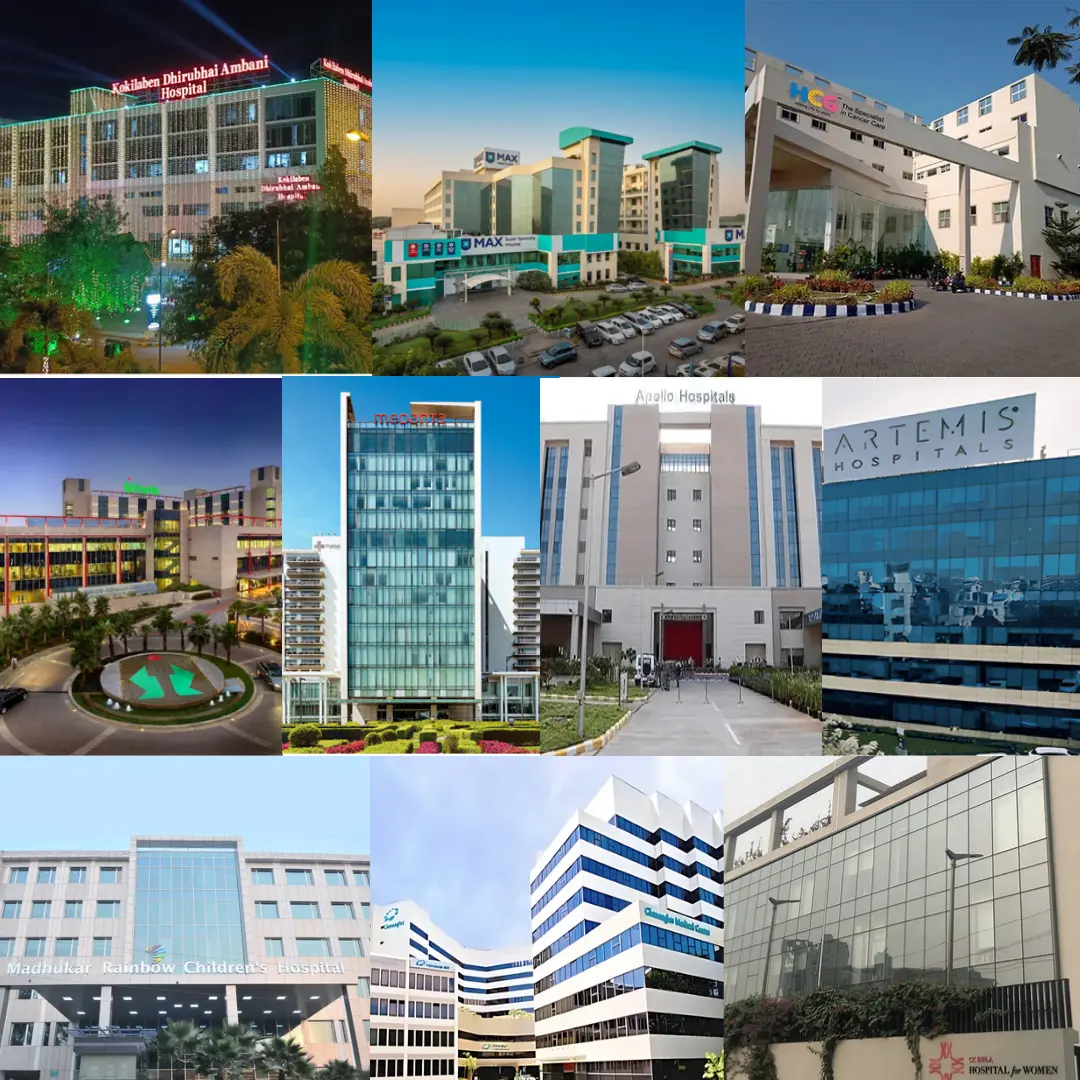
- Recommends top hospitals and connects patients with experienced specialists in their specific condition.
- Ensures access to advanced medical treatments and technology.
Tourism Services
- Organizes visits to famous tourist attractions like the Taj Mahal, Jaipur, Kerala, and other cultural landmarks.
- Tailors travel plans based on patient preferences and recovery needs.
24/7 Support
- Provides round-the-clock assistance for any queries or emergencies during the stay in India.