
Introduction
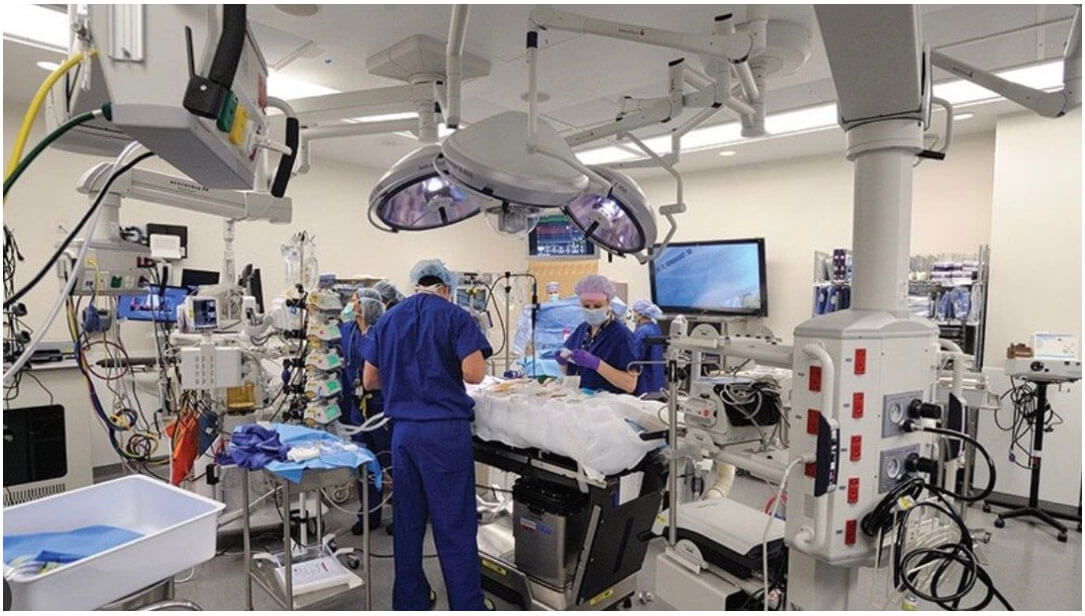
Tonsillectomy is surgery undertaken to excise the tonsils, two pads of lymphoid tissue that are oval in shape and are situated on the back of the throat. These tonsils contribute to the immune system by assisting in combating infection; however, in other cases, they can become congested or swollen and bring about difficulties in breathing or perennial throat issues. The surgery is routinely performed under general anesthesia, so the patient is not aware of the surgical procedure; he or she sleeps and feels no pain. In the surgery, the tonsils are cut, burnt, or shaved, and the wounds self-mend without the use of stitches. Tonsillectomy can be advised to patients with frequent tonsillitis, obstructive sleep apnea, or huge tonsils that cover the airway. The process normally lasts between 20 and 30 minutes, with the majority of the patients being able to go home on the same day. The period of recovery is usually between 10-14 days, where pain management and rest are critical in recovery.
Cost Comparison
The cost of tonsillectomy varies widely anywhere in the world, depending on the hospital, post-operative complications and care, etc. The average cost of tonsillectomy in India is USD $500.
But be assured, as the cost of Tonsillectomy in India is just a fraction of developed nations.
- Avg Cost of treatment - $500
- Maximum cost of treatment - $1100
Factors affecting Cost Of Treatment
- Tonsillectomy cost is also based on the severity of the disease, including tonsillitis recurrence, tonsillitis enlargement, and obstructive sleep apnea, which will determine the complexity and length of the procedure.
- The surgical method implemented, such as classic tonsillectomy, coblation, radiofrequency ablation, or intracapsular tonsillectomy, can be more costly (where minimally invasive and state-of-the-art techniques are usually more costly).
- The issue of hospital choice and location is significant; the higher fees of reputed metropolitan hospitals and multispecialty centers can be charged in contrast to the less-known or small facilities.
- The experience and expertise of the surgeon determine the prices- highly experienced ENT surgeons may charge a higher consultation and surgery cost.
- The type of anesthesia and operating room costs are added to overall costs, and depend on the hospital and the complexity of the anesthesia needed.
- Additional costs include preoperative diagnostic tests that include blood tests, imaging, or throat cultures.
- There are also post-surgical expenses, such as medications, follow-ups, pain management, and therapy, which also influence the final cost.
- The ultimate cost burden on the patient can be determined by insurance coverage or out-of-pocket payment policies.
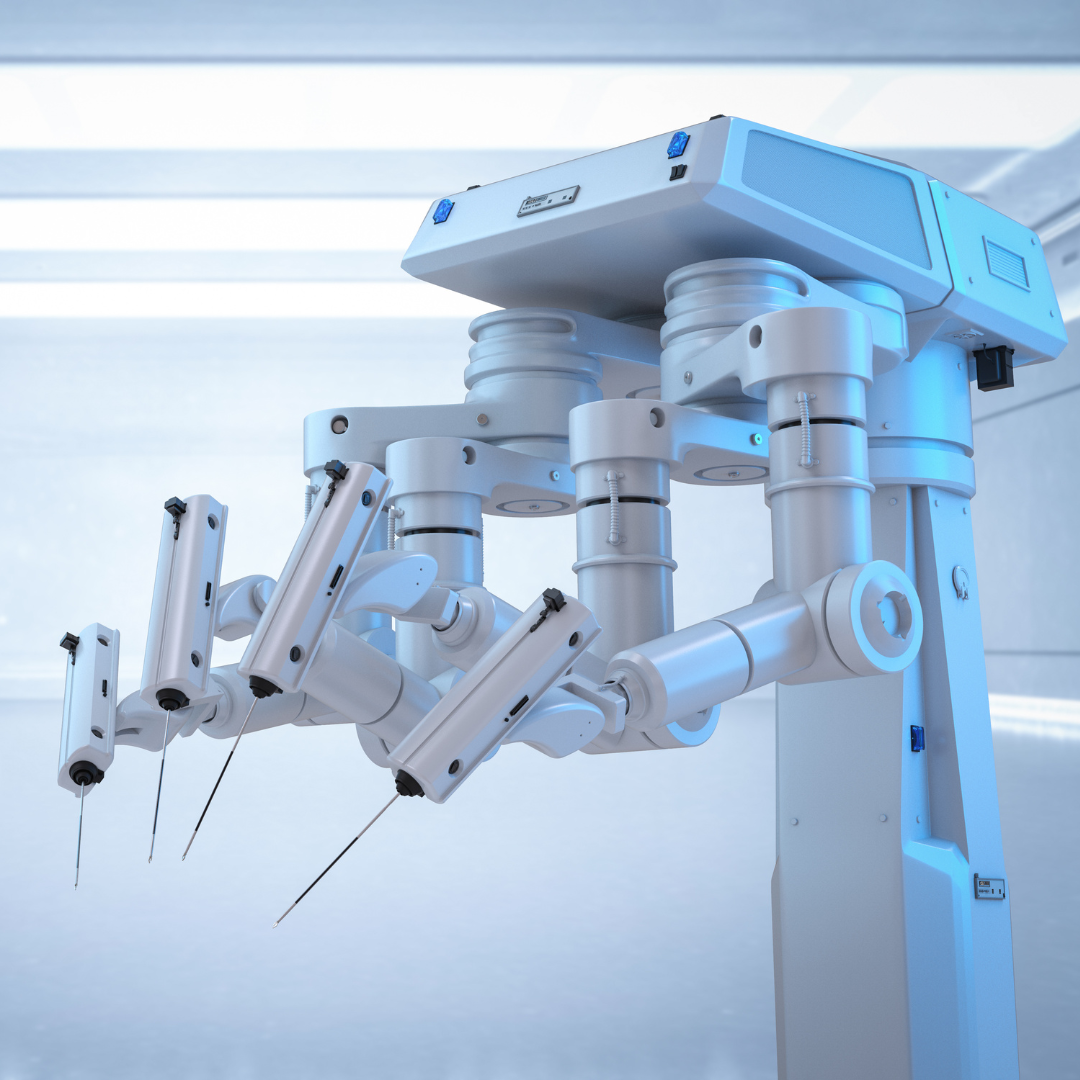
- New technological devices and surgical equipment employed in the operation, including robot-assistance or laser devices, can raise the price.
- Pricing can also be affected by patient-specific considerations such as age, general well-being, and the necessity to undergo further surgeries (e.g. adenoid removal).
Treatment Options
- Cold Steel (Traditional Dissection): The tonsils are excised with the scalpel or scissors, and there is no heat applied. This technique is cost-effective, yet it will lead to increased pain and hemorrhage postoperatively.
- Electrocautery/Monopolar and Bipolar Cautery: Heat is also applied in the removal of tonsils as well as in the control of bleeding during surgery. It decreases blood loss and leads to increased pain after surgery.
- Coblation Technique: This method involves the use of radiofrequency energy in saline plasma to ablate tonsil tissue at lower temperatures, and thus less pain as well as faster recovery. Appropriate for partial or complete tonsillectomy.
- Microdebrider (Soft Tissue Shaver): This removes about 90-95 percent of tonsil tissue, leaving a biological dressing on muscles, resulting in minimal pain, quicker recovery, and fewer complications. Frequently applied to partial tonsillectomy.
- Laser Tonsillectomy: CO2 or KTP laser is used to make a specific incision that results in less blood loss and pain; it is also effective in daycare facilities.
- Radiofrequency Ablation: Minimally invasive, it is applicable in the partial reduction of tonsil tissue, usually under sedation or local anesthesia, and with less discomfort.
- Harmonic Scalpel: It makes use of ultrasonic vibrations to cut tissue and coagulate blood vessels to minimize pain and morbidity.
- Intracapsular Tonsillectomy (Partial Tonsillectomy): This procedure leaves the majority of the visible tonsil tissue intact, and only the capsule is removed, decreasing postoperative bleeding and pain. Suggested even for children.
- Open/Traditional Tonsillectomy (Extracapsular): Tonsil is cleared in its entirety, with the capsule, and there is a greater chance of postoperative pain and bleeding, but it is well-established.
How Medotil Assists International Patients
Medical Visa Assistance
- Guides patients through the process of obtaining a medical visa for India.
- Provides necessary documentation support, such as invitation letters from hospitals.
Accommodation Arrangements
- Helps secure comfortable and affordable lodging near treatment centers.
- Offers a range of options, including guest houses, hotels, or serviced apartments.
Food Services
- Assists in arranging dietary preferences, including international cuisines and special diets for medical needs.
Transportation Support
- Provides airport pickup and drop-off services.
- Offers reliable transportation for hospital visits and local travel.
Hospital and Doctor Selection
- Recommends top hospitals and connects patients with experienced specialists in their specific condition.
- Ensures access to advanced medical treatments and technology.
Tourism Services
- Organizes visits to famous tourist attractions like the Taj Mahal, Jaipur, Kerala, and other cultural landmarks.
- Tailors travel plans based on patient preferences and recovery needs.
24/7 Support
- Provides round-the-clock assistance for any queries or emergencies during the stay in India.